Inception in the Lab: The Biotech App for Rewriting Memories
by Nandhana Manoj
What if your fondest childhood memory never actually happened? It sounds like the opening of a science fiction movie , but in the realm of advanced biotechnology, the line between science fiction and reality is blurring.
For decades, memories were viewed as abstract, untouchable echoes of time. Today, neurobiologists recognize them as physical entities called engrams, discrete networks of neurons bound together by biochemical changes. By treating memories as physical data, biotechnology has unlocked the ultimate backdoor to the mind: optogenetics.
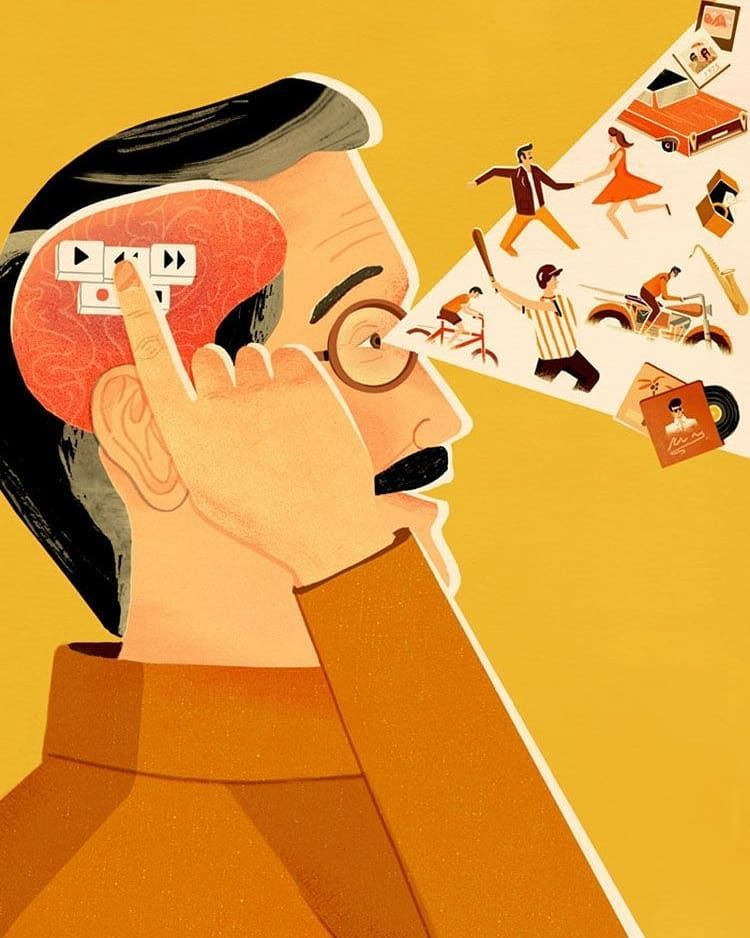
Using this groundbreaking technique, scientists insert light-sensitive protein channels into specific neural circuits via harmless viral vectors. By delivering precise pulses of laser light through fiber-optic threads, researchers can literally switch targeted brain cells on or off. In landmark MIT studies, MIT scientists successfully triggered "false memories" in mice, causing them to fear an environment they had never actually experienced. They engineered a narrative directly into the living brain.
This is not a dystopian parlor trick. For clinical biotechnology, becoming a neural architect means rewriting the script for humanity's deepest pains. It offers a revolutionary blueprint to dismantle the paralyzing loops of PTSD or gently reinforce the crumbling synaptic bridges in Alzheimer's patients. We are moving toward a future where mental trauma can be treated not with words, but with a molecular eraser.
Yet, holding the pen to our own biological history introduces chilling ethical dilemmas. If our
identities are forged by what we remember, what happens when those memories are engineered? As biotech learns to script the mind, we must ask ourselves: in a world of manufactured pasts, who will we be tomorrow?


Comments